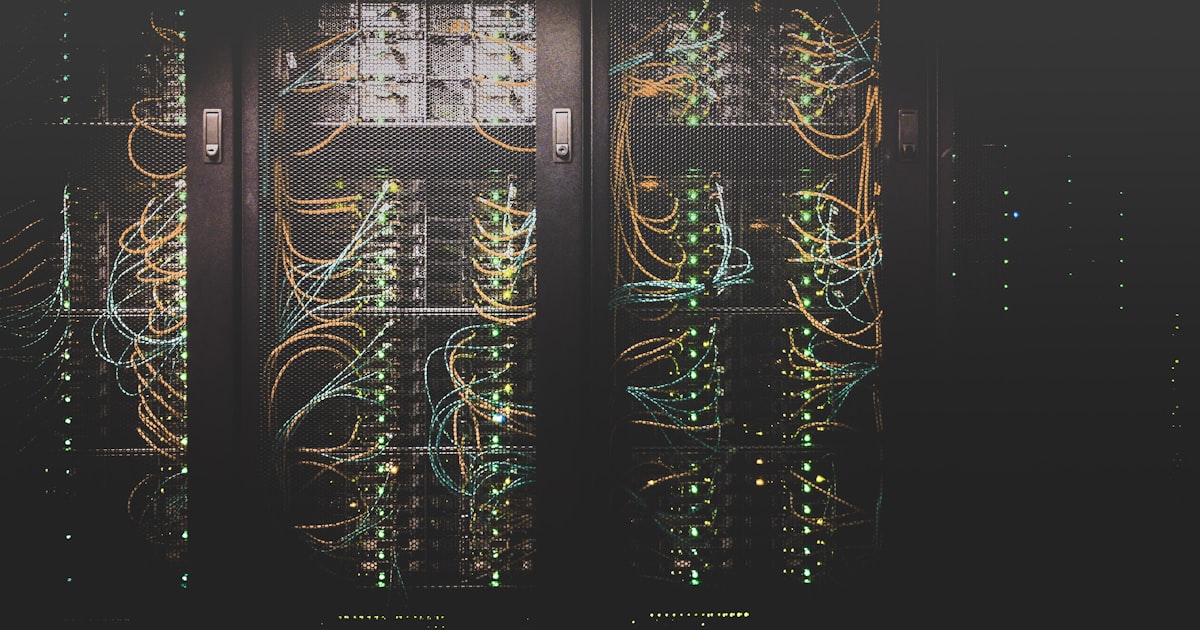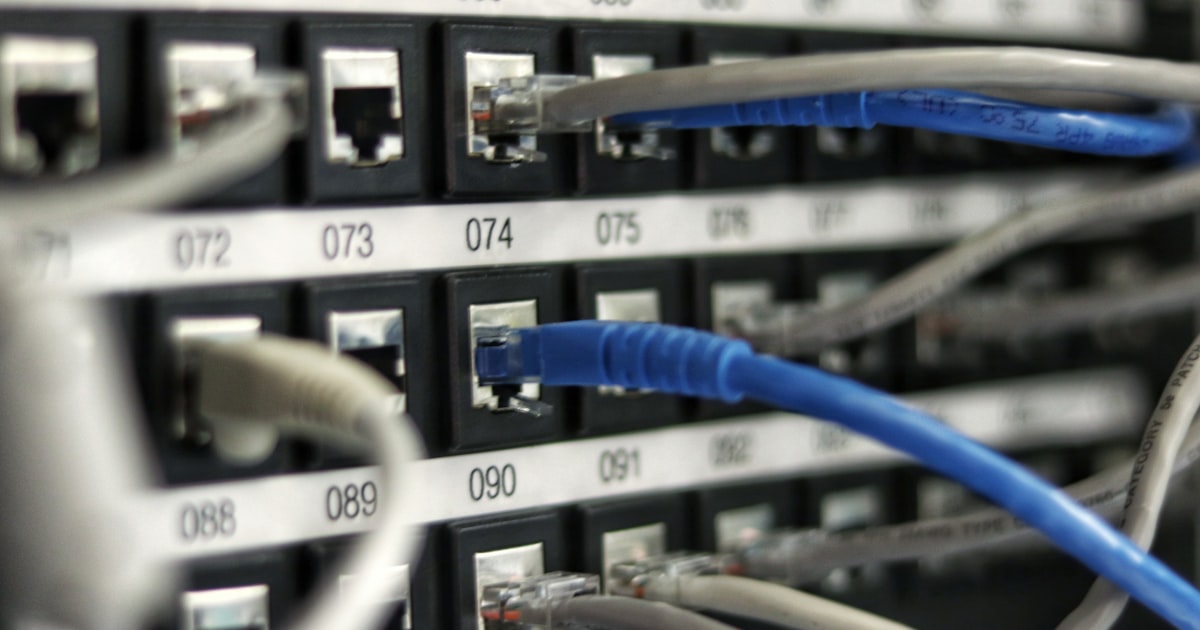

When a large organization deploys 500 new laptops, it does not ship 500 bare boxes to 500 employees and hope for the best. Every device goes through a configuration process: hardware inspection, software installation, security configuration, asset tagging, and testing before it ever reaches an end user. That process is the function of a corporate configuration center.
What a corporate configuration center does
A configuration center is a purpose-built operation — typically a physical facility with specialized staff and processes — that handles the physical preparation and deployment of IT assets at volume. Core activities include:
- Asset receiving and inspection: Every incoming device is inventoried, inspected, and logged against the purchase order.
- Hardware integration and upgrades: Memory, storage, and other components are installed per specification before imaging.
- Software installation and configuration: Operating systems, applications, and security agents are installed and configured to a defined standard.
- Quality testing: Every device is tested before deployment to catch defects before they reach end users.
- Asset tagging and tracking: Every device receives a unique identifier, recorded in asset management systems for lifecycle tracking.
- Packaging and logistics: Properly packaged devices are shipped to end users, remote offices, or warehoused for staged deployment.
Warranty and out-of-warranty repair
Configuration centers that operate as certified warranty repair facilities provide a significant advantage for large clients: warranty repairs can be handled in-house rather than shipping devices to manufacturers. This dramatically reduces repair turnaround times and eliminates the uncertainty of manufacturer service timelines.
Out-of-warranty repair extends the life of assets beyond their manufacturer support window. For organizations running standardized hardware environments, repairing a machine rather than replacing it can be significantly more cost-effective — especially when the hardware still meets performance requirements.
Asset disposal and redeployment
The end of an asset's life cycle is as important as its deployment. A well-run configuration center handles:
- Data sanitization to NIST 800-88 or equivalent standards
- Re-deployment of assets that still have useful life
- Secure disposal of assets that do not
- Documentation for asset disposition compliance
For organizations deploying, refreshing, or managing thousands of devices, the configuration center is not a nice-to-have — it is the difference between a controlled, documented process and a logistical scramble.
When does your organization need this?
Businesses typically engage corporate configuration center services when they have a significant device deployment (50+ units), are refreshing hardware across multiple locations, need to meet compliance requirements for device configuration and disposal, or are managing assets across geographically distributed operations. For companies scaling rapidly or managing hardware at enterprise scale, having a configuration partner handle logistics frees internal IT to focus on higher-value work.