Every piece of technology in your business — computers, phones, printers, cloud services, security cameras, point-of-sale systems — depends on your network to function. When the network is performing well, it is invisible. When it is not, everything slows down or stops.
Despite this, network infrastructure is one of the most underinvested areas in small business IT. Many businesses are running on consumer-grade equipment, outdated cabling, or networks that were designed for half their current size.
The three layers of business networking
Physical layer: cabling and hardware
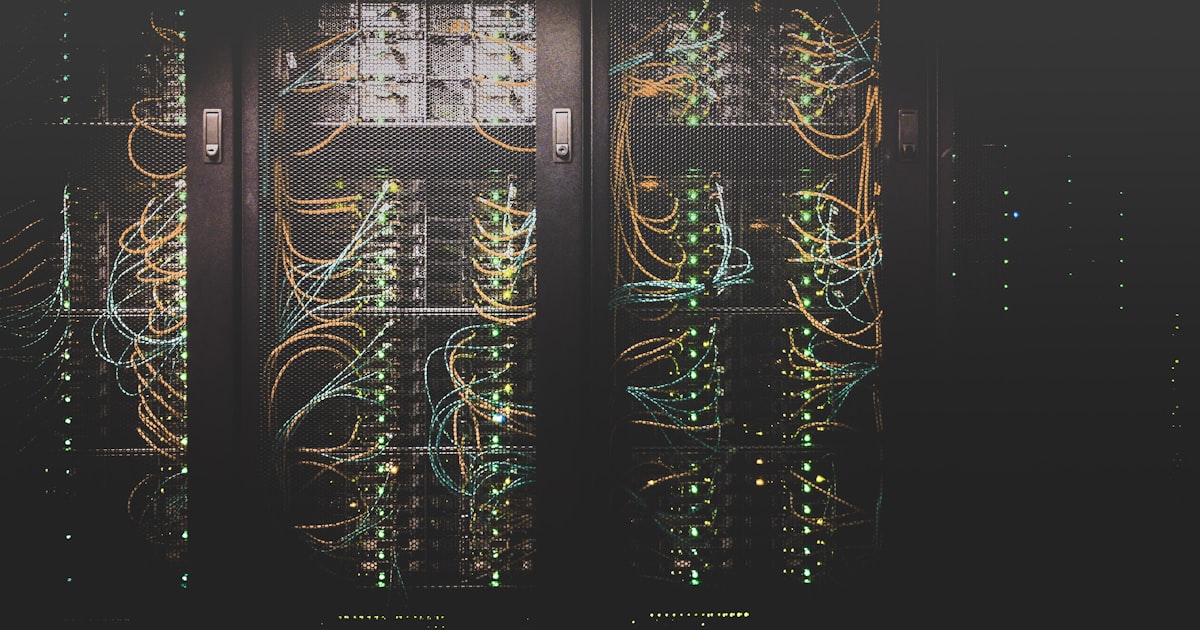
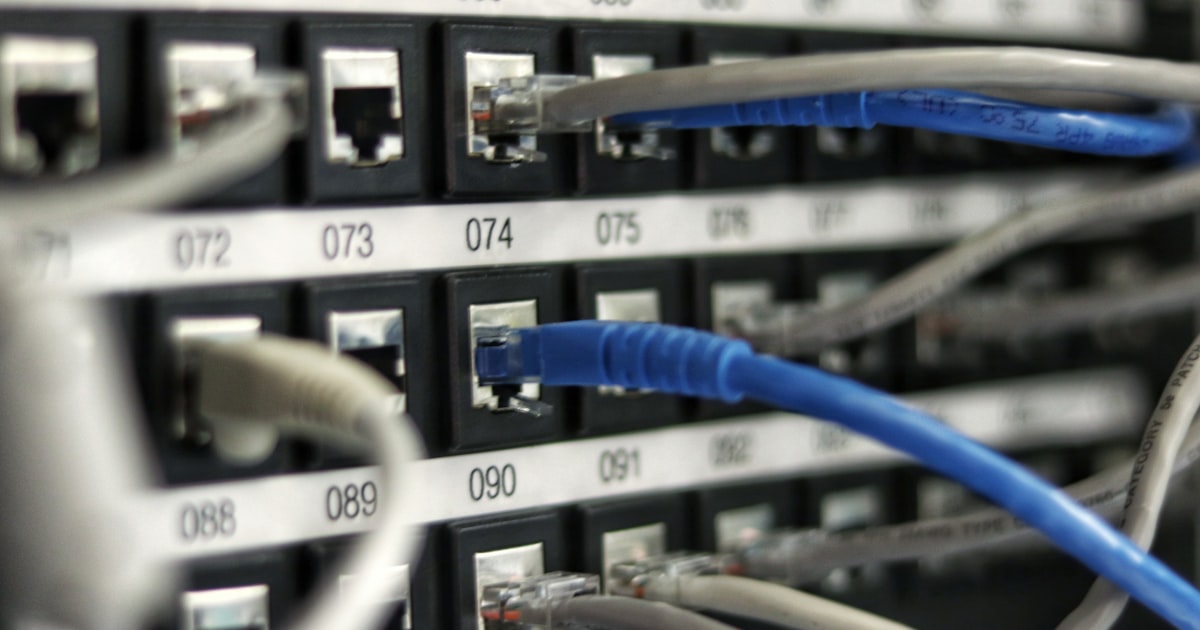
The foundation is physical: the cables, switches, routers, and access points that move data between devices. Cat5e and Cat6 cabling, properly installed and certified, can support gigabit speeds reliably. Wireless networks using modern Wi-Fi 6 or 6E access points provide the coverage and capacity that mobile device-heavy workforces require. Physical infrastructure done right is invisible and lasts 10–15 years. Done poorly, it causes intermittent problems that are frustratingly difficult to diagnose.
Network layer: switches and routing
Above the physical layer sits the network equipment: managed switches, firewalls, and routers that direct traffic, enforce policies, and connect your office to the internet. Managed switches allow network administrators to segment traffic, prioritize certain applications (like VoIP phone systems), and isolate problems quickly. Business-grade firewalls provide security features that consumer routers simply do not offer.
Services layer: servers and administration
The services layer includes the servers and software that your network delivers: file servers, print servers, directory services, and application servers. Even in a cloud-first environment, most businesses benefit from at least some local server infrastructure for file storage, printer management, and authentication.
Signs your network needs attention
- Employees frequently complain about slow internet or dropped connections
- Video calls regularly experience dropped frames or audio issues
- Moving files between network locations is noticeably slow
- Your network equipment is more than five years old
- You do not have network documentation — nobody knows what connects to what
- A single cable or device failure has taken down a significant portion of your operations
A properly designed and documented network is not just a performance investment — it dramatically reduces troubleshooting time and cost when something does go wrong, because your IT provider knows exactly what is connected and how.
Network design for growth
The best network designs account for current needs and planned growth. A business with 20 users today that expects to be at 40 in three years should build its network with that capacity in mind now — both in terms of physical infrastructure and equipment. Designing for growth is far less expensive than redesigning at capacity.
Whether you're building out a new office, upgrading aging infrastructure, or moving locations, a professional network assessment identifies what you have, what you need, and the most cost-effective path between the two.